


NGUYEN Thu Hien & NGUYEN Hai Anh
Abstract
The global push towards environmental sustainability and carbon neutrality has prompted countries and industries worldwide to reassess their carbon footprints and adopt greener practices. This shift is particularly impactful for industries with historically high greenhouse gas emissions, such as the fertilizer industry. Vietnam, as a significant player in this sector, finds itself at a crossroads, faced with the dual challenge of adhering to international environmental standards, such as the European Union’s Carbon Border Adjustment Mechanism (CBAM), and maintaining its competitive edge in the global market. The article delves into the current state of Vietnam’s fertilizer industry, highlighting its reliance on coal and outdated technologies that contribute to high emission levels. It underscores the urgent need for the industry to transition towards more sustainable practices through investment in cleaner technologies, improved emission reporting, and the establishment of a clear regulatory framework for carbon pricing. The article further recommends capacity building and international collaboration as essential strategies for achieving alignment with global environmental goals. By embracing these changes, Vietnam’s fertilizer industry can ensure its long-term sustainability and contribute to the global fight against climate change, while also securing its position in the international market.
Keywords: CBAM, fertilizer industry, Viet Nam, fertilizer exporters.
Résumé
L’élan mondial vers la durabilité environnementale et la neutralité carbone a poussé les pays et les industries du monde entier à réévaluer leur empreinte carbone et à adopter des pratiques plus écologiques. Ce changement a un impact particulier sur les industries ayant historiquement de fortes émissions de gaz à effet de serre, comme l’industrie des engrais. Le Vietnam, en tant qu’acteur important dans ce secteur, se trouve à un carrefour, confronté au double défi de se conformer aux normes environnementales internationales, telles que le Mécanisme d’ajustement carbone aux frontières (CBAM) de l’Union européenne, tout en maintenant son avantage concurrentiel sur le marché mondial. Cet article examine l’état actuel de l’industrie des engrais au Vietnam, mettant en évidence sa dépendance au charbon et aux technologies obsolètes qui contribuent à des niveaux élevés d’émissions. Il souligne le besoin urgent pour cette industrie de passer à des pratiques plus durables grâce à des investissements dans des technologies plus propres, à une amélioration du reporting des émissions, et à l’établissement d’un cadre réglementaire clair pour la tarification du carbone. L’article recommande en outre le renforcement des capacités et la collaboration internationale comme des stratégies essentielles pour aligner le secteur sur les objectifs environnementaux mondiaux. En adoptant ces changements, l’industrie des engrais du Vietnam peut assurer sa durabilité à long terme et contribuer à la lutte mondiale contre le changement climatique, tout en consolidant sa position sur le marché international.
Mots-clés : CBAM, industrie des engrais, Vietnam, exportateurs d’engrais.
The Carbon Border Adjustment Mechanism (CBAM) presents an urgent and significant challenge for the Vietnamese fertilizer industry, fundamentally altering the landscape of international trade. As the European Union moves to implement CBAM, aiming to levy charges on carbon emissions associated with imported goods, Vietnamese fertilizer exporters are at a critical juncture[1]. This policy shift targets reducing global carbon footprint but simultaneously threatens the competitiveness of Vietnamese fertilizers in EU market in particular and worldwide in general, which is crucial for the industry’s growth and sustainability. The mechanism underscores the need for immediate strategic adjustments among exporters. They are compelled to enhance their production processes, adopt cleaner and more energy-efficient technologies, and engage in more rigorous carbon emissions tracking and reporting. Without prompt and effective action, Vietnamese fertilizer exporters risk losing their market share in the EU, a scenario that would have broader implications for the country’s agricultural sector and its economy. Thus, understanding and adapting to the CBAM is not merely a regulatory requirement but a strategic imperative that calls for comprehensive planning, investment in green technologies, and active participation in international carbon markets to ensure sustainable growth and competitiveness in the evolving global trade environment.
1. Introduction to the Carbon Border Adjustment Mechanism (CBAM)
The Carbon Border Adjustment Mechanism (CBAM) has been developed as a policy measure aimed at mitigating the issue of carbon leakage by ensuring that the price of carbon for imported products is not lower than the price that EU producers must pay under the regulations of the EU Emissions Trading System (EU ETS). Starting from October 2023, importers into the EU will need to comply with the requirement to report the emission levels of their imported products and will enter a trial phase, during which they will not yet have to pay the CBAM fees. CBAM marks a significant step forward in the European Union’s (EU) Green Deal, a strategic plan aimed at reshaping the region’s economic growth towards fairness, prosperity, and sustainability. It serves as a foundation to encourage the development of industries based on the principles of a green and sustainable economy. CBAM is designed with the goal of reducing the EU’s carbon emissions by at least 55% compared to 1990 levels by 2030. By emphasizing transparency in information, CBAM plays an important role not only in reducing greenhouse gas emissions and combating climate change but also in affecting the entire supply chain of businesses, from production to consumption.
1.1. Regarding the Objectives
Firstly, the European Union (EU) has implemented the Carbon Border Adjustment Mechanism (CBAM) as a part of the EU Emissions Trading System (ETS), primarily aiming to eliminate carbon disparities by establishing fair competition conditions between EU-compliant producers and those from non-EU countries. In this way, CBAM provides an alternative solution to allocating free carbon quotas to EU producers at high risk of carbon leakage, while also obligating importers to purchase CBAM certificates. These certificates are expected to be issued from 2026 to 2035, in parallel with the gradual phase-out of free quota allocations for high carbon leakage risk sectors in the EU.
Secondly, the EU also sees CBAM as a tool to achieve the goal of reducing greenhouse gas emissions by 55% compared to 1990 levels by 2030 and moving towards a carbon-neutral economy by 2050. CBAM is part of the “Fit for 55” package, which includes various measures to improve current policies to align with greenhouse gas reduction objectives. This includes amending the EU’s ETS system, expanding its scope, updating emission reduction targets, and other measures such as restructuring policies on renewable energy and energy saving, developing infrastructure for alternative fuels, and supporting the development of sustainable aviation and marine fuels.
Finally, the EU hopes that CBAM will encourage non-EU trade partners to adopt more robust greenhouse gas emission reduction measures. Notably, at the end of each fiscal year, importers will have the opportunity to be reimbursed for any quotas or carbon taxes paid in the export country if they can prove that their emission reduction efficiency level is equivalent or superior. Through this, the EU aims to build an alliance of trade partners sharing the same goal, promoting accession through policy and support programs to enhance carbon-neutral efforts.
1.2. Regarding the Operational Principles
The CBAM mechanism is designed to comply with the important principles of the World Trade Organization (WTO), applicable to all types of border adjustments. There are two main aspects to emphasize: (i) Ensuring non-discrimination between like products, and (ii) Maintaining fairness among countries and avoiding creating unfair competitive conditions for imported mechanism have approached these issues carefully, always referring to WTO regulations.[2] Concerning non-discrimination, the calculation of charges for importers is based on the average weekly auction price of quotas in the ETS for the corresponding product sector. Thus, entities within the scope of CBAM regulation will have to pay for their CO2 emissions at a fixed rate, equivalent to the level that EU partners have to pay. However, these payments will not result in overlap with any other carbon tax that the producer in the exporting country has paid, as this cost can be deducted from the expense of purchasing CBAM certificates. This helps avoid a double financial burden on emission costs. Regarding the principle of fair treatment, CBAM will be applied fairly to all EU trade partners as well as members of the European Customs Union. Any discrimination against trade partners or different policies for members of the Union would lead to a violation of WTO regulations. Therefore, CBAM will not favor developing countries. Finally, regarding the adjustment of competitive conditions, the EU has carefully placed CBAM in the context of internal climate policies, some of which have been implemented for decades. This mechanism can be justified under Article XX of GATT 1994, concerning the protection of natural resources, human health, and life, because the EU can demonstrate that the purpose of carbon policies is to address the risks posed by climate change, as acknowledged in the recent assessment report of the Intergovernmental Panel on Climate Change.
1.3. Regarding the Implementation Road-Map
On May 16, 2023, Regulation (EU) 2023/956 issued by the European Commission on May 10, 2023, on establishing the Carbon Border Adjustment Mechanism (CBAM) in the European Union (EU) officially came into effect.
From October 1, 2023, to December 31, 2025, there will be a transition phase. During this period, businesses importing into the EU will have to comply with the reporting requirements stipulated in Articles 33, 34, and 35 of Regulation (EU) 2023/956. Specifically, importers will need to report quarterly on the greenhouse gas emissions generated from certain types of goods imported into the EU within 30 days after the quarter ends. The first report from importers must be submitted by January 31, 2024[3]. In this transition phase, CBAM will be applied to items including iron, steel, aluminum, electricity, cement, fertilizers, and hydrogen, which are industries accounting for up to 94% of the total industrial emissions in the EU. However, by the end of 2025, the European Commission (EC) will conduct an evaluation of CBAM’s operation and may expand the application of this mechanism to more types of products and services.
Table 1: CBAM Deployment Road-map
10/2023 | 01/2026 | 2027 | 2034 |
| CBAM will begin | CBAM started to | The European | CBAM is officially |
| the transition | be gradually | Commission | fully operational |
| period. Importers | introduced in | carried out a | |
| will be required to | parallel with the | comprehensive | |
| comply with | phasing out of the | review of CBAM | |
| reporting | EU ETS free quota | ||
| obligations and | |||
| will not be subject | |||
| to CBAM fees | |||
| Transition stage | Operation stage | Full operation stage | |
Source: European Parliament (2022).
From January 1, 2026, CBAM will officially start operating. Any violations of the CBAM terms will be subject to penalties similar to those in the European Union’s Emission Trading System (EU ETS). According to EU ETS guidelines, if an organization fails to fulfill its obligation to surrender annual emission quotas on time, they may face the initiation of punitive measures. The fine for not surrendering sufficient emission quotas is set at 100 euros for each ton of CO2, with the condition that this amount will be adjusted for inflation. The regulatory authority of each member state in the EU will be the entity applying this penalty. Furthermore, any non‑compliance will be accumulated into the total emissions that the organization must reduce in the following year, meaning that non-compliance will not be overlooked but will be addressed by increasing the emission obligations for the next year.[4]
2. The Impact of the Carbon Border Adjustment Mechanism (CBAM) on the Fertilizer Industry in Vietnam
2.1. General Situation Before the Application of the Carbon Border Adjustment Mechanism (CBAM) to the Fertilizer Industry in Vietnam: General Emission Context
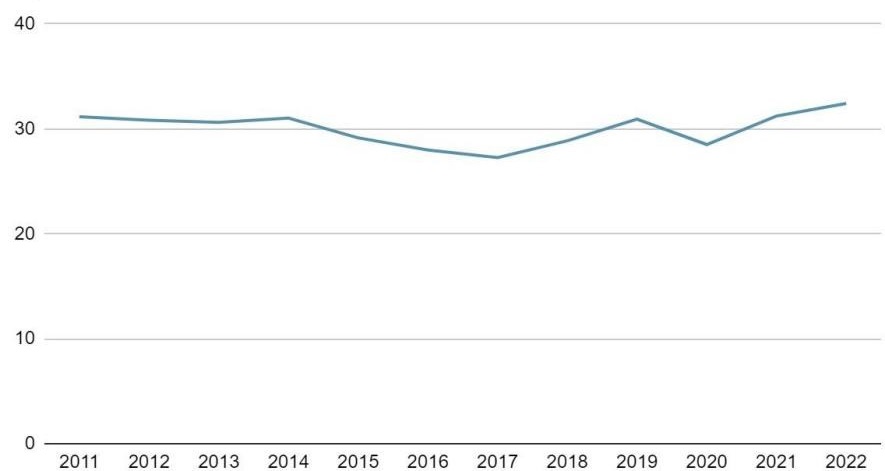
Historically, Vietnam has not been a major contributor to climate change. However, rapid economic growth, urbanization, and industrialization over the past 30 years have led to a rapid surge in greenhouse gas (GHG) emissions. From 2000 to 2019, annual GHG emissions increased 7 times, reaching 438.11 million tons of CO2, accounting for 0.88% of global emissions. The average GHG emissions per capital were 4.54 million tons of CO2 in 2019, about 5.75 times higher than in 2000, although still relatively low compared to the regional and global averages. Vietnam has become one of the highest GHG-emitting economies in East and Southeast Asia, measured by emissions per unit of output, and its emissions are higher than those of China, South Korea, Japan, Malaysia, Thailand, and the Philippines.[5]
Before the implementation of CBAM, the Vietnamese fertilizer industry, like many other sectors, faced challenges from increasing greenhouse gas emissions, where the burning of fossil fuels was the main cause, accounting for about 60% of the country’s total greenhouse gas emissions in 2014. With the rapid increase in CO2 emissions, reaching 285.9 million tons of CO2 in 2019, and Vietnam becoming the 22nd largest CO2 emitting country in the world from fuel combustion, the fertilizer industry also faced challenges from dependence on energy from fossil fuels. This is particularly notable in the context of the energy sector, including coal-fired power production, which accounts for a large proportion of Vietnam’s total CO2 emissions from the combustion of fossil fuels.[6]
Figure 2: Total Greenhouse Gas emissions: Tonnes of CO2 Equivalent per Year in Vietnam
Source: European Commission’s Directorate-General for Joint Research Centre.
2.2. Regrading Legal Responsibility
Vietnam has implemented several types of taxes related to environmental protection and natural resources, including Special Consumption Tax, Value Added Tax, and Environmental Protection Tax. However, to date, Vietnam has not implemented any form of carbon tax on CBAM export products and fossil fuels. This indicates that the Vietnamese fertilizer industry may not be ready to face the strict carbon emission regulations from the EU and other international markets. Moreover, Vietnam is only in the preparatory stage for the deployment of the Emission Trading System (ETS), expected to be piloted from 2025 and officially operational from 2028, two years later than the EU’s CBAM deployment road-map. The time and standard difference between Vietnam’s tax system and the EU’s requirements may lead to the Vietnamese fertilizer industry facing high CBAM fees when exporting to the EU.[7]
Table 2: Vietnam’s policies and laws on energy before CBAM took effect
No. | Name of Energy Policy/Legislation | Issuing Authority | |||
1 | Electricity Law (2004, amended in 2012 and 2020) | Ministry of Industry and Trade | |||
2 | National Energy Development Strategy to 2020, vision to 2050 | Government of Vietnam | |||
3 | Versions of the Power Development Plan (PDP), the latest draft is PDP8 | Ministry of Industry and Trade | |||
4 | Environmental Protection Law (2020) | Ministry of Natural Resources and Environment | |||
5 | Development Strategy for Renewable Energy to 2030, vision to 2050 | Government of Vietnam | |||
6 | Decision on approval of the National Power Development Plan | Prime Minister of Government | |||
7 | Circular on Development of Projects and Standard Power Purchase Agreements for Renewable Energy Projects | Ministry of Industry and Trade | |||
8 | Petroleum Law (2008) | Ministry of Industry and Trade | |||
9 | Law on Energy Efficiency and Conservation (2010) | Ministry of Industry and Trade | |||
19 | Development Strategy for Renewable Energy 2016-2030, vision to 2050 | Government of Vietnam | |||
20 | Law on Energy Efficiency and Conservation (2011) | Government of Vietnam | |||
Vietnam has committed to intensify efforts to reduce greenhouse gas emissions in its 2022 Nationally Determined Contributions (NDC) update, aiming for net-zero emissions by 2050. In the fertilizer industry, where CO2 primarily arises from energy combustion and waste processing, these targets are particularly significant. Vietnam aims to reduce emissions by 15.8% without relying on external conditions and up to 43.5% with international support, compared to the baseline emission scenario. Simultaneously, Vietnam’s Green Growth Strategy emphasizes reducing greenhouse gas emission intensity by at least 15% per GDP by 2030 and 30% by 2050 compared to 2014. In the fertilizer industry, reducing total methane emissions by at least 30% by 2030 compared to 2020 is a critical goal, applicable to activities such as solid waste and wastewater treatment, along with reducing fossil fuel use in production.[8]
Figure 3: Annual greenhouse gas emissions 2010 and projections to 2020 and 2023 (BAU scenario) and conditional and unconditional targets to 2030

Source: Vietnam SR (2015) and MONRE (2015), CCWG (2018).
Table 3: Emission reduction targets in comparison by 2030 in NDC 2020 and NDC 2022
Sector | Unconditional contribution | Conditional contribution | ||||||
| NDC 2020 | NDC 2022 | NDC 2020 | NDC 2022 | |||||
| % | MtCO2e | % | MtCO2e | % | MtCO2e | % | MtCO2e | |
Energy | 5.5 | 51.5 | 7.0 | 64.8 | 16.7 | 155.8 | 24.4 | 227.0 |
Waste | 1.0 | 9.3 | 3.5 | 32.5 | 2.3 | 21.2 | 5.0 | 46.6 |
Total | 6.5 | 61.8 | 10.5 | 97.3 | 18.1 | 177.0 | 29.4 | 273.6 |
2.3. Regarding Fertilizer Exports
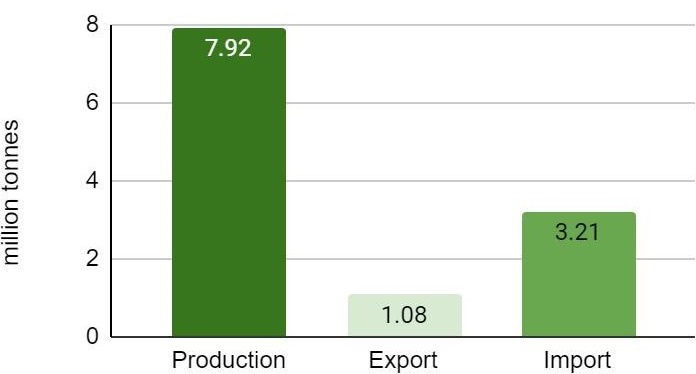
Although not prominent in comparative advantage over iron, steel, cement, and aluminum, the fertilizer industry and export sector play an undeniable role in Vietnam’s socio-economic development process. Fertilizers are not only a necessary input for the agricultural production sector but also key to the development of intensive farming, contributing to national food security. The contribution of fertilizers in promoting efficient agricultural production has become one of the main pillars of sustainable growth and development in Vietnam. Moreover, other industries such as iron, steel, cement, and aluminum also play an undeniable role in providing materials for construction and manufacturing, thereby supporting the process of industrialization and urbanization. However, the demand for producing CBAM products, including fertilizers, has steadily increased to meet domestic and export needs, proving its irreplaceable role in the economy. Regarding global market position, although Vietnam is not a major player in most CBAM commodities, except for cement, exporting 14% of its fertilizer output in 2021 reflected the demand and recognition for this product from the international market. Despite having to import more than export due to a lack of input materials or the capacity to produce certain specific products, focusing on fertilizers remains an important strategy to promote sustainable agricultural development and ensure food security for the country.
Figure 4: Production, imports and exports of Vietnam’s CBAM products, 2021
Source: FAO (2023), Worldsteel Assocation (2023), GSO (2022), UNCOMTRADE, Statista (2023).
In 2021, Vietnam made a notable contribution in the field of cement exports, accounting for 18.8% of the global value, but these figures for iron and steel stopped at 2.5%, and for aluminum and fertilizers, the numbers were even more modest, under 1%. Particularly, within the EU market scope, fertilizers were not named in Vietnam’s export list that year. Although not exporting fertilizers to the EU, Vietnam still captured a small part of this market with 5.1% of the export value for iron and steel and 4.7% for cement, along with 0.6% for aluminum.[9]
Table 4: Share of Vietnam’s CBAM products to EU market, 2021
| Quantity (%) | Value (%) | |
Iron and Steel | 4.5 | 5.1 |
Aluminium | 0.7 | 0.6 |
Cement | 5.5 | 4.7 |
Source: UNCOMTRADE (2023).
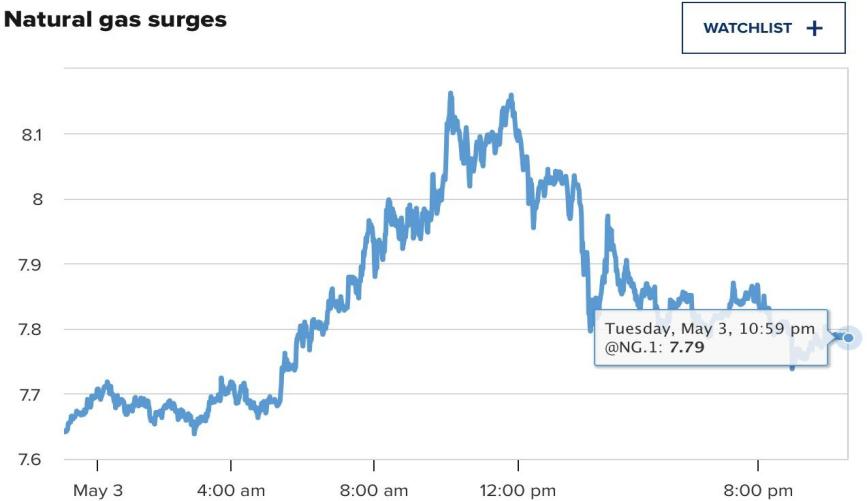
The absence of fertilizers in the export list to the EU in 2021 is a sign that new efforts and strategies are needed to promote this product segment, especially considering its important role in agriculture and national food security. Regarding the forecast for the development of the fertilizer industry. However, in the years 2020, 2021, and 2022, soaring energy prices put many fertilizer producers in Europe in a difficult situation, forcing them to scale down operations or even temporarily shut down. The sudden increase in raw material prices, especially natural gas, led Europe to reduce nitrogen fertilizer production capacity by 25% to 30% and cut ammonia (NH3) production capacity by up to 50%, according to S&P Global Platts. In winter, from October to March annually, when the demand for gas increases, the cost of fertilizer production becomes even more expensive. This problem becomes more severe when the ability to increase fertilizer supply in the market is very limited, as factories often operate at a capacity of 85% to 100%.[10] In this context, Vietnam can see a major opportunity in expanding and promoting its fertilizer export industry. With supply disruptions in Europe, Vietnam can seize the opportunity to increase production and exports, especially when the country has a large potential for competitive fertilizer production. Focusing on improving production efficiency, using energy efficiently, and expanding markets can help Vietnam not only meet domestic demand but also take advantage of export opportunities, especially in the context of the European market facing significant supply challenges. In summary, amidst the gas supply shortage in Europe, causing a decline in fertilizer production and the world facing a supply shortage, fertilizer prices are expected to rise sharply even though no specific statistics are available yet. In this context, the export value of Vietnamese fertilizers is forecasted to grow significantly.
Figure 5: Current natural gas price in EU
Source: cnbc.com.
In summary, before the CBAM is applied, the Vietnamese fertilizer industry is in a difficult situation when it needs to improve the carbon intensity of the product while still maintaining competitiveness. The lack of effective carbon emission reduction measures and the delay in implementing ETS indicate that Vietnam needs to quickly strengthen emission reduction measures and enhance green production capacity to face the challenge from CBAM and protect its position in the international market. The application of CBAM will impose new requirements on the fertilizer industry, forcing businesses to improve energy performance and reduce carbon emissions. This is not only a challenge but also an opportunity for the industry to invest in clean technology, enhance the use of renewable energy, and implement emission reduction measures to meet increasingly stringent environmental standards. With the government planning to reduce the coal ratio in power generation capacity and increase the use of renewable energy, the fertilizer industry can take this opportunity to transform and enhance its competitiveness in the international market, especially in the context of applying CBAM.
2.4. Impact of the Carbon Border Adjustment Mechanism (CBAM) on the Legal Responsibility of Vietnam’s Fertilizer Industry
According to the Ministry of Natural Resources and Environment’s report, climate change damage is estimated at about $10 billion in 2020, equivalent to 3.2% of Vietnam’s GDP, highlighting the importance of quick and decisive action in protecting the environment and minimizing the impacts of climate change. For the fertilizer industry, this means investing in clean technology and improving production processes to reduce greenhouse gas emissions. Active participation in the carbon market not only demonstrates the fertilizer industry’s responsibility towards environmental issues but also presents an opportunity to enhance competitiveness, adopt green technology, and promote sustainable production. The Vietnamese government has also implemented several financial policies to encourage green production, including laws on resource tax and green credit incentives, supporting the fertilizer industry in this transition. These efforts have contributed to enhancing Vietnam’s international standing in sustainable development, while also opening new directions for the fertilizer industry in integrating with global trends and promoting national goals on environment and sustainable development.
Vietnam committed to reducing greenhouse gas emissions at the COP26 conference in November 2021, a move highly regarded internationally in the fight against climate change. In this commitment step, Vietnam has shown its determination in the climate change battle, earning high international regard. Additionally, the Ministry of Natural Resources and Environment’s Carbon Market Development Plan, expected to pilot in 2025 and officially operate in 2028, marks a significant step towards the Net Zero goal. This market operates on the principle that “the polluter pays” through the buying and selling of carbon credits, opening up a new revenue source for the state budget. In the context of rapid globalization and climate change, the transformation of Vietnam’s fertilizer industry into a green economy, with the selection of environmentally friendly technologies, becomes more urgent than ever.[11] The Vietnamese government has supported this process through the issuance of many legal documents, facilitating companies, especially small and medium enterprises in the fertilizer industry, to adapt and meet new environmental policies. Participation in the carbon market is not only a responsibility but also an opportunity for organizations and businesses to implement emission reduction solutions and adopt green technology. Vietnam has also implemented various financial policies to encourage green production, including laws on resource tax and green credit incentives from the State Bank. These efforts have significantly advanced Vietnam’s sustainable development journey, recognized in the National Progress Assessment Report by the Sustainable Finance and Banking Network and ranking high in Asia and globally on policies contributing to national self-determination goals.
To cope with the impacts of climate change, reduce greenhouse gas emissions, and aim for a sustainable development future, Vietnam has not only committed to international agreements but also implemented many internal policies and measures. Important steps include: (i) Signing and ratifying the United Nations Framework Convention on Climate Change (UNFCCC) in 1992 and 1994, respectively; (ii) Signing and ratifying the Kyoto Protocol in 1998 and 2002; (iii) Signing the Paris Agreement in 2016; (iv) Updating the Nationally Determined Contribution (NDC) for the first time in 2015 and then in 2020 and 2022; (v) Signing the Political Declaration on establishing a Just Energy Transition Partnership (JETP) with the International Partners Group in December 2022. Notably, at the COP26 conference, Vietnam made a strong commitment to achieving “net-zero emissions” by 2050.[12] A year later, at COP27, Vietnam continued to affirm this commitment and discussed with the International Partners Group to ensure a fair energy transition process. According to the 2022 updated NDC, Vietnam aims to reduce emissions in sectors such as energy, agriculture, LULUCF, waste, and industrial production processes by 2030, far exceeding the 2020 NDC. On the domestic regulatory front, Vietnam has implemented many policies, strategies, and action plans from the central to local levels to cope with climate change and reduce greenhouse gas emissions, aiming for green and sustainable development goals. Recently, Resolution No. 01/NQ-CP clearly outlined tasks and solutions for 2023, including restructuring the energy sector, reducing carbon emissions to advance towards the carbon neutrality goal by 2050, and enhancing communication about applying international emission standards, especially the CBAM standard for goods exported to the EU market.
CBAM has the potential to create a strong incentive for Vietnam’s fertilizer industry to adopt sustainable production methods and reduce carbon emissions. This not only helps the industry avoid carbon fees mandated by CBAM but also promotes the development of the domestic carbon market. Specifically, reducing emissions in the fertilizer production process will allow companies to create and sell carbon credits, opening opportunities to participate in the domestic ETS system or the international carbon market under Article 6 of the Paris Agreement. This transition not only helps Vietnam move closer to achieving its NDC and Paris Agreement goals but also improves the international competitiveness of the fertilizer industry. This positions Vietnam as a leader in the global shift towards a low-carbon economy, contributing to the country’s energy transition strategy. However, implementing an effective domestic carbon market requires the development of a comprehensive legal framework, including the design and enforcement of mechanisms, creating emission credits or allocating emission rights to the fertilizer industry if a mandatory cap is introduced. Building an effective carbon pricing system, ensuring transparency, and preventing market manipulation are essential steps in this process. Additionally, the Vietnamese government needs to provide support and guidance to the fertilizer industry, including technological assistance, financial incentives, and capacity-building initiatives, to facilitate the transition towards low-carbon production. The development of a domestic carbon market aligned with international standards will not only help Vietnam meet its climate commitments but also enhance the competitiveness of its fertilizer industry on the global stage.
2.5. Impact of the Carbon Border Adjustment Mechanism (CBAM) on Vietnam’s Fertilizer Industry Production
Overall, on a macroeconomic level, the impact of CBAM appears to be not too significant. However, when considering specific industries and individual companies, a significant reduction in export value becomes a major issue, posing numerous challenges for companies. Specifically, in the fertilizer production sector, the impact of CBAM is assessed to be not significant. Yet, when comparing the average carbon emissions of sectors within the scope of CBAM in Vietnam with other exporting countries like the USA, UK, China, EU, and South Korea, Vietnam exhibits concerning levels of emissions. Particularly, Vietnam’s fertilizer industry only ranks behind China but exceeds the average.[13]
With the EU implementing CBAM, at least in the short term, it will affect Vietnam’s export goods to the EU, including fertilizers. Given the low volume and value of exports, the initial impact is not expected to be too large, estimated to potentially decrease by about $100 million. However, after 2026, when CBAM may be expanded to include indirect carbon emission taxes and apply to other high-carbon emission products such as organic chemicals and polymers, the impact on Vietnam’s exports to the EU will become significantly more substantial.[14]
For Vietnam, more than a decade ago, Resolution No. 24-NQ/TW, issued by the Communist Party of Vietnam on June 3, 2013, marked a turning point in proactively dealing with climate change, improving resource management, and strengthening environmental protection. Over a decade of implementation, Vietnam has made significant progress in these areas, with the introduction of 6 other resolutions, enriching the policy and institutional system with advanced views, integrating with international standards, and meeting the requirements of the era. However, in a constantly changing world and domestic context, both policy development and implementation as well as the awareness and actions of the business community need to be continuously updated and adjusted to meet new requirements.[15]
Table 5: Estimated impacts on the fertilizer sector with CBAM in the EU
Indicators | No carbon pricing No change in emission intensity | No carbon pricing Reduced emission intensity | Carbon pricing No change in emission intensity | Carbon pricing Reduced emission intensity | ||||||
| 2030 | 2035 | 2030 | 2035 | 2030 | 2035 | 2030 | 2035 | |||
Production output (%) | -0.0 | -0.0 | -0.0 | -0.0 | -7.7 | -7.7 | -7.3 | -6.9 | ||
| [-0.0, | [-0.0, | [-0.0, | [-0.0, | [-13.3, | [-13.3, | [12.5, – | [-11.8, | |||
| -0.0] | -0.0] | -0.0] | -0.0] | -1.0] | -1.0] | 1.0] | -0.9] | |||
Production output (million tonnes) | -0.0 | -0.0 | -0.0 | -0.0 | -0.9 | -1.2 | -0.9 | -1.0 | ||
| [-0.0, | [-0.0, | [-0.0, | [-0.0, | [-1.6, – | [-2.0, – | [-1.5, – | [-1.8, – | |||
| -0.0] | -0.0] | -0.0] | -0.0] | 0.1] | 0.2] | 0.1] | 0.1] | |||
Export values (%) | -0.0 | -0.0 | -0.0 | -0.0 | -10.0 | -10.0 | -9.4 | -8.9 | ||
| [-0.0, | [-0.0, | [-0.0, | [-0.0, | [-26.3, | [-26.3, | [-24.9, | [-23.6, | |||
| -0.0] | -0.0] | -0.0] | -0.0] | +1.8] | +1.8] | +1.7] | +1.6] | |||
Export values (billion USD) | -0.0 | -0.0 | -0.0 | -0.0 | -0.0 | -0.1 | -0.0 | -0.1 | ||
| [-0.0, | [-0.0, | [-0.0, | [-0.0, | [-0.1, | [-0.2, | [-0.1, | [-0.1, | |||
| -0.0] | -0.0] | -0.0] | -0.0] | +0.0] | +0.0] | +0.0] | +0.0] | |||
Export value to EU (%) | -75.5 | -77.9 | -74.2 | -75.4 | -72.9 | -75.7 | -71.5 | -73.1 | ||
| [-97.3, | [-98.2, | [-96.8, | [-97.3, | [-96.4, | [-97.6, | [-95.8, | [-96.5, | |||
| -13.6] | -14.9] | -12.9] | -13.5] | -9.7] | -11.1] | -9.2] | -10.1] | |||
Export value to EU (billion USD) | -0.0 | -0.0 | -0.0 | -0.0 | -0.0 | -0.0 | -0.0 | -0.0 | ||
| [-0.0, | [-0.0, | [-0.0, | [-0.0, | [-0.0, – | [-0.0, – | [-0.0, – | [-0.0, – | |||
| -0.0] | -0.0] | -0.0] | -0.0] | 0.0] | 0.0] | 0.0] | 0.0] | |||
Import values (%) | -0.0 | -0.0 | -0.0 | -0.0 | +5.5 | +5.5 | +5.2 | +4.8 | ||
| [-0.0, | [-0.0, | [-0.0, | [-0.0, | [-6.1, | [-6.1, | [-5.8, | [-5.4, | |||
| +0.0] | +0.0] | +0.0] | +0.0] | +20.7] | +20.7] | +19.4] | +18.2] | |||
Import values (billion USD) | -0.0 | -0.0 | -0.0 | -0.0 | +0.1 | +0.1 | +0.1 | +0.1 | ||
| [-0.0, | [-0.0, | [-0.0, | [-0.0, | [-0.1, | [-0.1, | [-0.1, | [-0.1, | |||
| +0.0] | +0.0] | +0.0] | +0.0] | +0.3] | +0.4] | +0.3] | +0.3] | |||
Carbon pricing revenue (billion USD) | +0.3 | +0.3 | +0.3 | +0.3 | ||||||
| [+0.3, | [+0.3, | [+0.2, | [+0.3, | |||||||
| +0.3] | +0.4] | +0.3] | +0.3] | |||||||
Emission quantity (million t CO2) | -0.0 | -0.0 | -1.6 | -3.9 | -2.1 | [- | -2.6 | -3.5 | -6.0 | |
| [-0.0, | [-0.0, | [-1.6, | [-3.9, | 3.6, | – | [-4.4, – | [-4.8, – | [-7.4, – | ||
| -0.0] | -0.0] | -1.6] | -3.9] | 0,3] | 0.3] | 1.9] | 4.2] | |||
Source: Carbon Border Adjustment Mechanism Impact Assessment Report for Vietnam.
A summary table of CBAM’s predicted impacts along with some factors that may relate to the fertilizer manufacturing sector. The volume of fertilizer Vietnam exports to the European Union is quite modest, so the EU’s implementation of CBAM is expected not to cause significant fluctuations in this sector’s key economic performance indicators. However, carbon pricing could increase production costs, thereby affecting the price competitiveness of Vietnam’s fertilizer industry. It is noteworthy that the impact of carbon pricing extends beyond CBAM; while CBAM only increases the price of products exported to the EU, carbon pricing affects the cost of all domestic products. Production output is expected to decrease by about 7.7% (with a confidence interval [CI] of [1%, 13.3%]), and exports could decrease by 26.3% or even slightly increase by 1.8%. Income from carbon pricing in the fertilizer sector is estimated at about $0.3 billion. Additionally, applying a carbon price will help reduce emissions by about 2.1 million tCO2 by 2030 (CI = [0.3,3.6]) and 2.6 million tCO2 by 2035 (CI = [0.3,4.4 million]). If emission intensity is reduced simultaneously with carbon pricing, the reduction in emissions will be 3.5 million tCO2 by 2030 (CI = [1.9,4.8 million]) and 6.0 million tCO2 by 2035 (CI = [4.2,7.4 million]), resulting in a higher emission reduction effect.[16]
2.6. Challenges for the Vietnamese Fertilizer Industry
Legally, although Vietnam has demonstrated a commitment to reducing GHG emissions and has taken some steps, the legal framework for carbon pricing and the domestic carbon market is still in the process of being perfected. This requires special attention to the fertilizer sector, which is one of the first to be affected by the CBAM, to ensure sustainable development and minimize the negative impacts of adopting international carbon pricing measures. The 2020 Vietnamese Environmental Protection Law has not set a specific price for carbon, creating a loophole in managing the environmental impact of the fertilizer production industry. According to the Environmental Protection Tax Law, the “environmental protection tax” is an indirect tax on products harmful to the environment, but it has not been specified for the fertilizer industry, even though this sector significantly impacts the environment through energy use and emissions during production.[17] The 2009 Natural Resources Tax Law mentions taxing the exploitation of resources but does not explicitly refer to raw materials necessary for fertilizer production, such as natural gas, a crucial ingredient for producing ammonia in fertilizers. This indicates a gap in managing the environmental impact of the fertilizer sector through taxes and fees. Meanwhile, domestic carbon market policies and regulations mentioned in the 2020 Environmental Protection Law allow for the exchange of emission permits and carbon credits, creating opportunities for the fertilizer sector to reduce emissions and participate in the carbon market. However, the lack of specific guidance from the Ministry of Finance and the Ministry of Natural Resources and Environment indicates the need for further development of the legal framework and government support for the fertilizer sector to adapt and contribute more effectively to carbon emission reduction goals. Additionally, to deal with the impact of the EU’s CBAM regulation, the Vietnamese fertilizer industry needs to ensure that domestic carbon prices are at least equal to or higher than EU carbon prices to avoid purchasing CBAM certificates when exporting to the EU. This requires Vietnam to establish a clear and competitive carbon pricing to support the fertilizer industry in reducing emissions and enhancing environmental protection.
The implementation of the Carbon Border Adjustment Mechanism (CBAM) presents complex challenges for the Vietnamese fertilizer industry, especially in the current trade relations context and the agreements signed between Vietnam and the European Union (EU), including the EU‑Vietnam Free Trade Agreement (EVFTA).[18] The deployment of CBAM needs to be carefully considered with the principles of the World Trade Organization (WTO) and comply with the commitments in the EVFTA and other international agreements Vietnam has joined. Since becoming a WTO member in 2007 and signing the EVFTA, Vietnam has further integrated into the global trade system, committing to comply with WTO regulations and promote open trade and investment. The EVFTA, in particular, emphasizes trade and investment development based on equality and non-discrimination principles while complying with WTO regulations. CBAM’s challenge under WTO and EU-Vietnam FTA agreements Implementing CBAM faces several legal issues, including:
- Compatibility with international trade rules: CBAM may not be compatible with international trade rules, such as those established by the WTO, if it is considered discriminatory against foreign goods. CBAM is required to ensure it does not violate WTO rules on the trade aspects of environmental measures or other trade agreements.
- International coordination among different countries to avoid unfair competition between countries or regions.[19] These are some of the main legal considerations Vietnam needs to account for when analyzing CBAM, but other issues may arise depending on Vietnam’s policies and decisions. During this process, Vietnam will face significant challenges in adapting to CBAM, not only to comply with international legal regulations but also to ensure that its fertilizer industry can continue to compete fairly in the international market, especially in the EU market.
It is undeniable that the understanding of the European Union (EU)’s environmental regulations within the Vietnamese business community is still limited. In a world that is gradually shifting, especially for Vietnamese businesses aiming for exports, the biggest obstacle might be accessing the EU market becoming more difficult. This is not only a barrier for new businesses targeting this market but also a significant challenge for experienced businesses with the EU market due to changes and additions of standards and certifications with higher requirements. According to a study conducted by the Private Sector Development Committee (Committee IV, under the Advisory Council for Administrative Procedure Reform of the Prime Minister) in 2022, only about 11% of surveyed businesses understand the Carbon Border Adjustment Mechanism (CBAM) well, while 53% of businesses do not know anything about it, and 36% of businesses have vague knowledge. For Vietnamese businesses, especially small and medium-sized enterprises, there is still a hesitancy or lack of resources to transition to environmentally friendly production models, a process that requires significant financial investment and the adoption of advanced technology. In contrast, foreign businesses, especially those from Europe and the United States, are very proactive in complying with these strict environmental standards.[20]
It is particularly noteworthy that all of Vietnam’s CBAM export products, including fertilizers, belong to the high energy-intensive group. Specifically, fertilizer has an energy intensity of 28.7 GJ/ton, only lower than aluminum and steel but higher than cement with 3.04 GJ/ton (ADB, 2017).[21]
Figure 6: Energy Intensity of Vietnam’s CBAM products

Source: Springer (2018).
This highlights the urgent need for the Vietnamese fertilizer industry to reduce energy consumption and improve energy efficiency in production to reduce greenhouse gas emissions, thereby minimizing the impact of the CBAM and ensuring the sustainability of exports to the EU market.
Oil, gas, electricity, and CBAM products, including the fertilizer production sector, in Vietnam are subject to various types of taxes, including Import/Export Tax (IMT/EXT), Special Consumption Tax (SCT), Value-Added Tax (VAT), Natural Resource Tax (NRT), and Environmental Protection Tax (EPT).
Table 6: Taxes on fertilizers in Vietnam
| NRT | VAT | IMT (Appliedin EVFTA) | EXT (Appliedin EVFTA) | |
Fertilizers | 10% | 0-9% (-0.3%) | 0% |
Source: Parliament of Vietnam (2022).
Among these taxes, NRT and EPT are indirect taxes aimed at protecting natural resources and the environment, which are significant for the fertilizer production sector as this sector uses natural resources like natural gas as a main raw material. NRT is applied to important raw materials like natural gas, a key component in ammonia production—a raw material for many types of fertilizers. This tax is applied at a rate of 10% and higher, affecting the cost of raw materials and ultimately the price of fertilizer products. EPT, although mainly imposed on coal and oil, also reflects Vietnam’s efforts in reducing negative impacts on the environment, an important issue for the fertilizer sector since the production process can cause pollution. Vietnam has not yet imposed a carbon tax on CBAM export products and fossil fuels, including the fertilizer sector. Although NRT and EPT may indirectly contribute to reducing greenhouse gas emissions, they do not directly target carbon emissions from the production process, meaning this sector has not yet faced the burden of a direct carbon tax. However, with Vietnam preparing to deploy an Emission Trading System (ETS)—expected to be piloted from 2025 and officially from 2028, the fertilizer sector needs to prepare for policy changes that could affect production costs and product prices.[22] This transition requires the fertilizer sector to improve energy efficiency and reduce emissions in the production process to lower costs associated with ETS and maintain competitiveness in the market. The gap between Vietnam’s tax system and EU requirements could pose challenges for the fertilizer sector when exporting to the EU market, especially when CBAM is applied, requiring products to bear an additional cost burden related to carbon emissions. This emphasizes the importance of the Vietnamese fertilizer sector quickly adapting to international environmental standards to maintain competitiveness.[23]
3. Some Recommendations for Vietnamese Fertilizer Export Enterprises
According to the Strategy for the Development of Vietnam’s Chemical Industry up to 2030, vision to 2040 stated in Decision No. 726/QD-TTg by the Prime Minister on June 16, 2022, the fertilizer sector is expected to grow at a rate of 3%-5%/year in the period 2021-2030, and 4%-6% in the period 2031-2040.[24] Based on the production value of 2021, the forecasted growth rate, and the emission intensity of the sector, the amount of fertilizer produced and the total emissions of the sector in 2030 and 2035 are estimated as follows:
Table 7: Estimated production and emissions of the fertilizer sector
Year | Average annual production (million tonnes) | Sector average emissions intensity | Average sector annual emissions (mtCO2e) |
2021 | 7.92 | 2.1 | 16.63 |
2030 | 1.31 | 23.75 | |
2035 | 14.51 | 30.47 |
Source: Carbon Border Adjustment Mechanism Impact Assessment Report for Vietnam.
First, understanding the emission characteristics of the fertilizer industry is key to identifying appropriate emission reduction measures. In Vietnam, fertilizers used include single nutrient fertilizers like Urea, Super Phosphate, and Potassium, as well as compound fertilizers like NPK and DAP (167/2007/QD-TTg, 2007; International Aluminium Institute, 2022a). Each type of fertilizer has different raw materials and production processes, leading to a diversity in the emission intensity of the end product. In reducing greenhouse gas emissions from the fertilizer production sector, many methods are considered based on documents such as Decision No. 726/QD-TTg and Vietnam’s NDC Technical Report 2022.[25] One effective way is to switch from coal to natural gas in the production process of Urea. In Vietnam, Urea production based on coal is the most energy-consuming and emitting process. Switching to natural gas can significantly reduce emissions, however, this requires substantial investment in new facilities and patented technology. Natural gas consumption can be reduced by using permeate gas, a byproduct of gas production, promoting a circular economy. Additionally, using biomass such as wood and sawdust for heating is also a solution to reduce greenhouse gases. Enhancing energy efficiency through the improvement of industrial equipment such as boilers, engines, and lighting devices is also an important method, with potential to reduce emissions and energy costs.
Secondly, reducing N2O emissions, another greenhouse gas, during nitric acid production is also an important goal. Best Available Technologies (BAT) proposed to reduce N2O emissions can significantly reduce emissions, although the NDC does not specify which technologies are suitable for Vietnam. Lastly, the development and update of national technical regulations on chemical fertilizers are emphasized as an important measure. Currently, regulations do not control CO2 and N2O emissions from ammonia and nitric acid production, so amending and supplementing these regulations could support emission reduction in the sector.
Thirdly, enterprises need to closely monitor the development of the CBAM and actively plan responses to limit impacts on production and export activitie.[26] Thoroughly understand greenhouse gas emission reporting requirements, develop procedures and measurement systems for emission reporting purposes in accordance with CBAM. Given concerns about mandatory greenhouse gas emission reporting for businesses exporting to the EU from 1/1 to 31/12/2024, an expert from the UNFCCC emphasized: It’s important for businesses not just to perform reporting, but also to be conscious and capable of managing and controlling the greenhouse gases they emit. This reporting process will help businesses understand their emission status better and identify the amount of carbon that needs to be reduced to avoid tax constraints.
Fourthly, the financial impact of CBAM on export activities should be considered, including the impact on product promotion and marketing strategies. Analyze market opportunities for products with lower carbon emissions and more environmentally friendly compared to industry averages and competitors. Implement carbon reduction measures, adopt sustainable production processes and methods to minimize emissions during production.[27]
Fifthly, considering the development of a “Carbon Tax” proposal is of interest. Implementing a domestic carbon tax in Vietnam would not only reduce the burden from the Carbon Border Adjustment Mechanism (CBAM) but also retain significant long-term revenue for Vietnam, thereby reducing the impact of CBAM on exported goods and enhancing Vietnam’s international competitiveness. In the process of assessing and analyzing current tax and fee policies related to environmental protection in Vietnam, environmental protection taxes and fees have been identified as compatible with a carbon tax system.[28] Therefore, integrating a carbon tax into the current environmental tax or fee system would facilitate the establishment of a comprehensive carbon tax structure. The choice between integrating a carbon tax into existing taxes or environmental fees may depend on overall policy objectives and government management. However, based on analyses of potential tax overlaps, advisors suggest that implementing a new carbon tax may risk overlapping with the current environmental protection tax, as both aim for similar objectives. This could lead to redundant taxation on the same subject, since the current environmental protection tax already includes some elements of a carbon tax. Implementing a domestic carbon tax system in Vietnam would allow the country to retain a portion of the revenue that would otherwise be paid to the Carbon Border Adjustment Mechanism (CBAM), alleviating the pressure CBAM places on Vietnam’s export products. This not only reduces the financial burden from CBAM but also improves Vietnam’s competitive position in the international market in the long term.[29]
Sixth, and most importantly, it is necessary to effectively implement the Green Sustainable Development Plan from 2021 to 2030, aiming towards 2050 (according to Decision 1658/QĐ-TTg), as well as the National Action Plan on Climate Change Response by 2050 (Decision No. 896/QĐ-TTg, dated July 26, 2022).[30] Along with government agencies, implement carbon emission reduction policies, including establishing a Carbon price and encouraging the adoption of renewable energy. To ensure compatibility with the EVFTA, the EU needs to carefully consider the design and implementation of CBAM, including providing a clear and fair mechanism to determine the carbon emission level of imported products from Vietnam and ensuring that CBAM does not create unnecessary barriers to trade. This requires a coordinated effort between Vietnamese businesses and the government to align with international standards and commitments, thereby ensuring the sustainable development of Vietnam’s export sector in the context of global climate change mitigation efforts.
Conclusion
In addressing the challenges posed by global shifts towards carbon neutrality and the implementation of the European Union’s Carbon Border Adjustment Mechanism (CBAM), Vietnam’s fertilizer industry faces a pivotal moment. The industry’s current reliance on coal and outdated production technologies not only places it at a disadvantage under new environmental regulations but also highlights the urgent need for systemic change. To navigate these challenges, it is recommended that Vietnam invests in cleaner production technologies, enhances greenhouse gas emission reporting and monitoring, and develops a clear regulatory framework that includes a comprehensive carbon pricing mechanism. Additionally, capacity building within the industry and international collaboration are crucial to align Vietnam’s fertilizer sector with global environmental standards. By adopting these recommendations, Vietnam can transform its fertilizer industry to meet the demands of a low-carbon future, ensuring both environmental sustainability and economic resilience.
Bibliography
International Documents
United Nation Development Program, “Long-term greenhouse gas emission mitigation opportunities and drivers in Viet Nam” (2023), online: <undp.org/>
United States Agency for International Development, “Carbon markets in Vietnam” (2022), online: <climatelinks.org/>.
Asian Development Bank, “Pathways to Low-Carbon Development for Viet Nam” (2017), online: <adb.org/>.
Energy Transition Partnership, “Impact Assessment of EU’s Carbon Border Adjustment Mechanism – Carbon Tax Design for Vietnam” (2023), online: <energytransitionpartnership.org/>.
WTO Center, “UPDATE ON PROJECT PROGRESS AND EU CBAM REGULATION Technical Assistance Project on Impact Assessment of EU’s Carbon Border Adjustment Mechanism and Carbon Tax Policies for Vietnam” (2023), online: <wtocenter.vn/>.
WTO Center, “SUMMARY REPORT EU GREEN DEAL & VIETNAM’S EXPORT Cases of agricultural, food and textile sector” (2023), online: <wtocenter.vn/>.
Articles
Do, Thang Nam & Paul J. Burke, “Carbon pricing in Vietnam: Options for adoption” (2021) 2 Energy and Climate Change, online: <sciencedirect.com/>.
Online Sources
Anh Dũng, Dương, “Hiện trạng và định hướng phát triển ngành Phân bón Việt Nam” Trung tâm WTO, online: <trungtamwto.vn/>.
Bảo, Thanh, “Nghiên cứu ban hành thuế carbon trong phát triển kinh tế giảm phát thải” (2023) Tạp chí điện tử Năng lượng sạch Việt Nam, online: <tnmttuyenquang.gov.vn/tin-tuc/khi-tuong-thuy-van-bien-doi-khi-hau/nghien-cuu-de-xuat-phuong-an-thue-cac-bon-tai-viet-nam-24513.html>.
Baoviet Securities Company, “Ngành Phân bón 2023: Chịu áp lực từ giá phân bón giảm mạnh” (2023), online: <cafef1.mediacdn.vn/>.
Công thương, Báo, “Thực thi CBAM tác động ra sao tới xuất khẩu của Việt Nam sang EU” (2023) Tạp chí Tài chính, online: <tapchitaichinh.vn/>.
Ly, Khánh, “Nghiên cứu Đề xuất phương án thuế các-bon tại Việt Nam” (2023) Trang Thông tin điện tử tổng hợp Sở Tài nguyên và môi trường tỉnh Tuyên Quang, online: <tnmttuyenquang.gov.vn/>.
Long, Trần, “Sẵn sàng với sân chơi CBAM trong cuộc đua xanh hóa nền kinh tế” (2023) VietnamPlus, online: <vietnamplus.vn/>.
Michaelowa, Axel et al, “Carbon Border Adjustment Mechanism Impact Assessment Report for Vietnam” (2023) Zurich Open Repository and Archive, online: <zora.uzh.ch/>.
Nguyen, Loan, “SUMMARY OF CBAM IMPACT ASSESSMENT REPORT FOR VIET NAM Technical Assistance Project on Impact Assessment of EU’s Carbon Border Adjustment Mechanism and Carbon Tax Policies for Viet Nam” (2023) ASIA Clean Energy Forum 2024, online: <asiacleanenergyforum.adb.org/>.
Nguyen, Minh Ngoc, “Annual CO2 emissions of Vietnam from 2010 to 2021” (2024) Statista, online: <statista.com/>.
Thanh, Ngô Đức & Nguyễn Hồng Thơm, “Tác động của cơ chế điều chỉnh biên giới carbon (CBAM) của EU tới một số ngành hàng xuất khẩu có cường độ carbon cao của Việt Nam và đề xuất giải pháp ứng phó” (2023) Tạp chí nghiên cứu Công nghiệp và thương mại, online: <vioit.vn/>.
Trung tâm WTO, “Đánh giá tác động kinh tế của CBAM và những cân nhắc chính sách | Dự án Hỗ trợ kỹ thuật về Đánh giá tác động của Cơ chế điều chỉnh biên giới các-bon (CBAM) của Liên minh châu Âu (EU)” (2023), online: <trungtamwto.vn>.
Trung, Trần Vũ, “Cơ chế điều chỉnh biên giới carbon của Liên minh châu Âu và khả năng ảnh hưởng đến xuất khẩu của Việt Nam” (2023), Cơ sở dữ liệu quốc gia về Khoa học và Công nghệ, online: <sti.vista.gov.vn/>.
- Ngô Đức Thanh, Nguyễn Hồng Thơm, “Tác động của cơ chế điều chỉnh biên giới carbon (CBAM) của EU tới một số ngành hàng xuất khẩu có cường độ carbon cao của Việt Nam và đề xuất giải pháp ứng phó››, Tạp chí nghiên cứu Công nghiệp và thương mại” (2023). ↵
- Ibid.↵
- Trần Vũ Trung, “Cơ chế điều chỉnh biên giới carbon của Liên minh châu Âu và khả năng ảnh hưởng đến xuất khẩu của Việt Nam”, Cơ sở dữ liệu quốc gia về Khoa học và Công nghệ (2023).↵
- EU, Directive 2003/87/EC of the European Parliament and of the Council of the European Union of 13 October 2003 establishing a M9 system for greengouse gas emission allowance trading within the M9 Union and amending Council Directive 96/61/EC (EU ETS guidelines), amended by EU, Directive 2023/959 of the European Parliament and of the Council of 10 May 2023, [2023] OJ, L 130.↵
- Minh Ngoc Nguyen, “Annual CO2 emissions of Vietnam from 2010 to 2021” (2024) Statista.↵
- Thang Nam Do & Paul J. Burke, “Carbon pricing in Vietnam: Options for adoption” (2021) 2 Energy and Climate Change.↵
- United Nation Development Program, “Long-term greenhouse gas emission mitigation opportunities and drivers in Viet Nam” (2023).↵
- Axel Michaelowa et al, “Carbon Border Adjustment Mechanism Impact Assessment Report for Vietnam” (2023) Zurich Open Repository and Archive.↵
- Baoviet Securities Company, “Ngành Phân bón 2023: Chịu áp lực từ giá phân bón giảm mạnh” (2023).↵
- Dương Anh Dũng, “Hiện trạng và định hướng phát triển ngành Phân bón Việt Nam”, Trung tâm WTO.↵
- United States Agency for International Development, “Carbon markets in Vietnam” (2022).↵
- Loan Nguyen, “SUMMARY OF CBAM IMPACT ASSESSMENT REPORT FOR VIET NAM Technical
Assistance Project on Impact Assessment of EU’s Carbon Border Adjustment Mechanism and Carbon Tax Policies for Viet Nam” (2023) ASIA Clean Energy Forum 2024.↵ - Trần Vũ Trung, “Cơ chế điều chỉnh biên giới carbon của Liên minh châu Âu và khả năng ảnh hưởng đến xuất khẩu của Việt Nam” (2023) Cơ sở dữ liệu quốc gia về Khoa học và Công nghệ.↵
- Nguyen, supra note 12.↵
- Michaelowa et al, supra note 8.↵
- Loan Nguyen, supra note 12.↵
- Nam Do & Burke, supra note 6.↵
- Asian Development Bank, “Pathways to Low-Carbon Development for Viet Nam” (2017).↵
- Dương Anh Dũng, “Hiện trạng và định hướng phát triển ngành Phân bón Việt Nam” Trung tâm WTO.↵
- Nguyen, supra note 12.↵
- Michaelowa et al, supra note 8. ↵
- Michaelowa et al, supra note 8.↵
- WTO Center, “UPDATE ON PROJECT PROGRESS AND EU CBAM REGULATION Technical Assistance Project on Impact Assessment of EU’s Carbon Border Adjustment Mechanism and Carbon Tax Policies for Vietnam” (2023).↵
- Michaelowa et al, supra note 8. ↵
- Baoviet Securities Company, supra note 9.↵
- WTO Center, “SUMMARY REPORT EU GREEN DEAL & VIETNAM’S EXPORT Cases of agricultural, food and textile sector” (2023).↵
- United States Agency for International Development, supra note 11.↵
- WTO Center, “UPDATE ON PROJECT PROGRESS AND EU CBAM REGULATION Technical Assistance Project on Impact Assessment of EU’s Carbon Border Adjustment Mechanism and Carbon Tax Policies for Vietnam” (2023).↵
- Energy Transition Partnership, “Impact Assessment of EU’s Carbon Border Adjustment Mechanism – Carbon Tax Design for Vietnam” (2023).↵
- Nam Do & Burke, supra note 6.↵


